


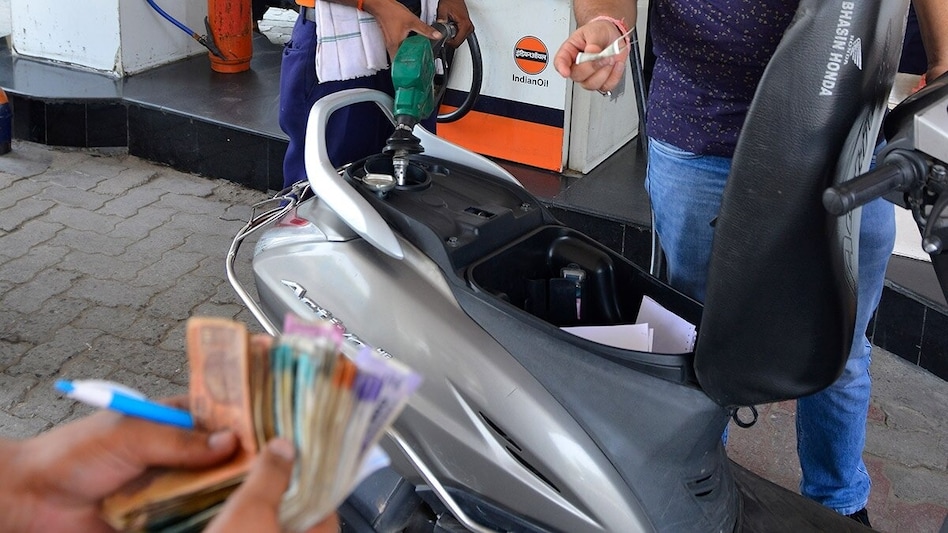
 A common assumption is that petrol and diesel prices fall with crude oil. In reality, Indian fuel prices are also influenced by international prices of refined petroleum products.
State-run oil marketing companies (OMCs) lost an estimated ₹18.9 on every litre of diesel and ₹6 on every litre of petrol sold during the April-June quarter, according to ICICI Securities. The losses came despite domestic pump prices remaining largely unchanged, highlighting how fuel pricing works and why crude oil prices alone do not determine OMC profitability.
According to the brokerage, OMCs earned margins of ₹8.2 per litre on diesel and ₹10.3 per litre on petrol in the corresponding quarter a year ago. However, the surge in international crude oil and refined fuel prices during the latest quarter was not fully reflected in retail prices, pushing marketing margins into negative territory.

 Big victory for Anthropic: US court strikes down Pentagon blacklist over 'illegal retaliation'
 NSDL, CDSL, BSE shares: Check key technical levels to watch out for
 SBI Funds share price: Jefferies initiates coverage with Buy, 26% upside target
 India, Canada eye Bilateral Investment Treaty to unlock ₹4.65 lakh crore trade by 2030
  Beyond factory floors: Piyush Goyal outlines next generation India-Japan economic partnership
 IDV Explained: How It Impacts Your Motor Insurance Premium & Claim
 Nepal Flood Crisis: Massive Floods Leave Trail Of Destruction Across Rasuwa, Nuwakot And Chitwan
 Oseltamivir Shortage Explained: Why H1N1 Cases Are Driving Demand & Prices Are Varying Sharply
 Stock Market Outlook: Strong Earnings, Global Risks; What’s Next For Nifty Above 24,000?
 Lupin Stock Outlook: Citi Downgrade Vs Bernstein Buy; Is The Pharma Stock A Buy Now?
 Nifty IT surges 3%: TCS, Infosys, LTM, HCLTech shares climb after Nvidia's strong results
 Ather Energy shares rise 7% after Rs 1,758 crore block deals; here's why
 Multibagger listing: Tempsens Instruments shares rally over 111% on debut
 Tejas Networks shares rally 10% on Rs 1,537 crore TCS order win; key details SBI Funds share price: Jefferies initiates coverage with Buy, 26% upside target
 Sonia Gandhi’s memoir 'Belonging' faces setback as Penguin India pulls out over proposed changesNifty IT surges 3%: TCS, Infosys, LTM, HCLTech shares climb after Nvidia's strong results
 ₹1 crore by 22: How a 17-year-old’s late-night DM to podcaster Raj Shamani changed his careerAther Energy shares rise 7% after Rs 1,758 crore block deals; here's whyBeyond factory floors: Piyush Goyal outlines next generation India-Japan economic partnership












