


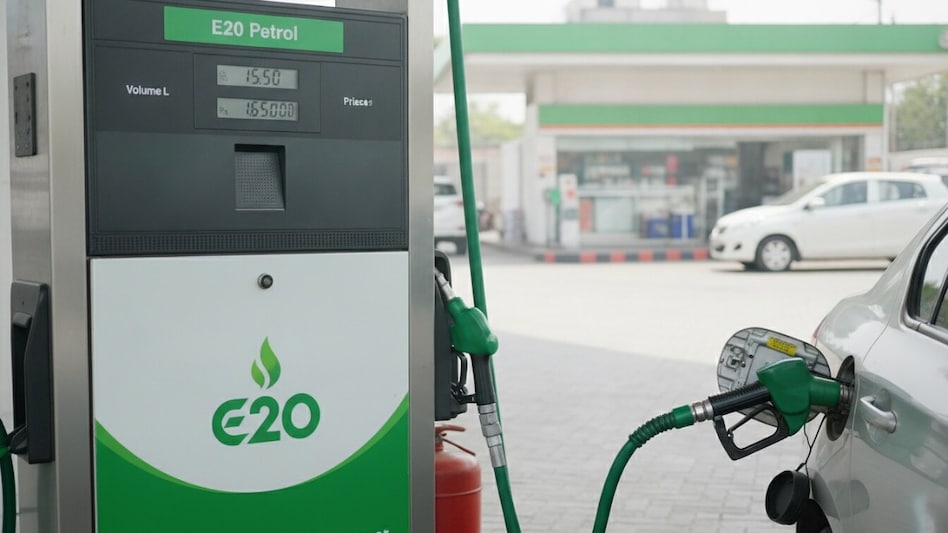
 E20 mileage, compatibility issues were flagged by a 2021 NITI Aayog report
Long before E20 petrol became the default fuel across India, the government's ethanol blending roadmap had acknowledged lower fuel economy in legacy vehicles, the need for E20-compatible components and a phased transition for the automobile industry.
As the nationwide rollout of E20 petrol comes under intense public scrutiny over concerns around fuel economy and vehicle compatibility, a government roadmap prepared nearly five years ago had already identified many of the technical challenges associated with higher ethanol blends.

 NSE share price: PL Capital roots for capital market goliath, sets target of Rs 1,950
 NSE shares: RK Damani, Azim Premji, NRN, Dolly Khanna & others see fortunes rise as stock jumps 5%
 PB Fintech shares crash 32%: Why Policybazaar parent fell like deck of cards; 1.42 lakh retail investors hit; targets
 Sensex, Nifty crash; fear index shoots up 23%: Key factors weighing on the market
 Elevate Campuses IPO: Why India’s student housing market is drawing investor attention?
 Elevate Campuses IPO: ₹2,100 Cr Issue, Business Model, Valuation & Growth Plans
 NSE: Why Market Deepening Could Create More Demand For The Stock
 NSE Shares: Why The Exchange Could Be A Long-Term Compounding Story
 NSE Shares: 36-Month SIP Approach For A 10-Year Portfolio? Deven Choksey Explains
 NSE Listing: Why Institutional Investors Remain Bullish On The Exchange
 NSE chief Ashish Chauhan flags AI risks; cautions investors on fake videos, websites
 NSE becomes Asia's second most-valued stock exchange, m-cap at $46.89 billion
 GAIL shares: Emkay upgrades stock, sees 16% upside; check target price
 PB Fintech block deal: 29 lakh shares changed hands; stock dives 34% to lowest since May 2024
 Tougher Sebi rules could make markets safer and bring in more investors: NSE chief
 Reliance Industries purchases 9,781-sq-ft luxury duplex in Mumbai's Worli for ₹75.11 croreNSE chief Ashish Chauhan flags AI risks; cautions investors on fake videos, websites
 Beyond Noel Tata and N Chandrasekaran: Meet the five key players in Tata's boardroom battle
 ‘The food never comes, but the dopamine does’: Meet the new internet trend letting you shop without spending, but there’s a catch
 Google Fitbit Air listed at ₹13,999 on Flipkart ahead of October India launch: Features to know












