


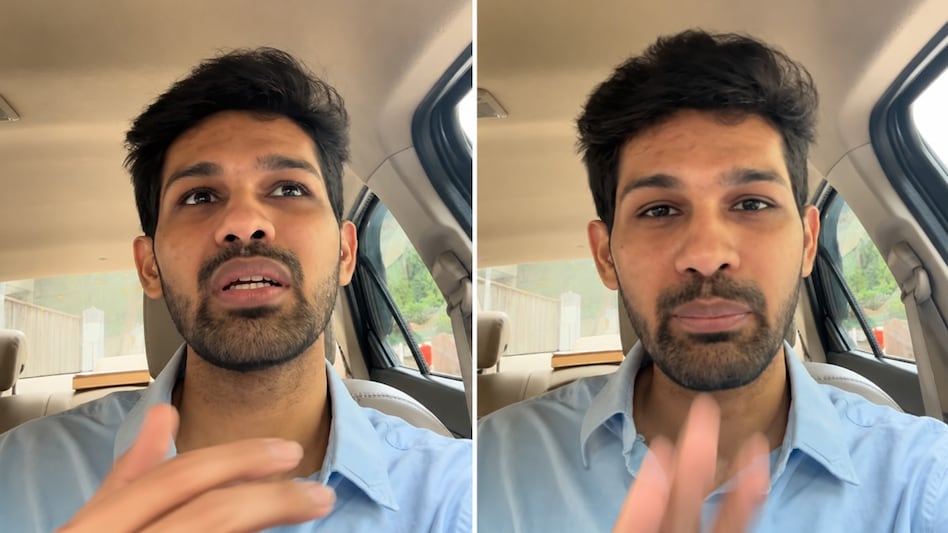
 The creator argued that the way Indian cities are developing has increasingly focused on spaces designed around spending money.
What do you do for fun in a big city if you don't want to eat out or shop? A viral Instagram video has struck a chord with thousands of people after questioning why India's biggest cities seem to offer so few affordable public and cultural spaces.
In a video, he argued that cities such as Mumbai, Delhi, Bengaluru and Pune often leave residents with limited options for affordable recreation and cultural experiences.

 ‘An Indian consumes 1/10th of an average American’: Amb Kwatra says energy security comes first
 Tata stock to buy: Nuvama bets on unique tech-telecom play, sees 28% upside
  NSE IPO, Hero Motors IPO, SS Retail IPO, Jindal Supreme IPO: GMP of four ongoing issues rises up to 32%
 UPI MDR: BharatPe distances itself from Ashneer Grover's remarks, says UPI to remain free for consumers
 IndiGo shares in focus as baggage, infant fee, priority boarding charges likely raised
 Corporate Health Insurance Vs Retail Policy: Why You Need Personal Health Cover Too
 How India Changed In 12 Years: PM Modi’s Journey From Economic Reforms To Viksit Bharat
 Modi @76: From Twitter To Instagram, How His Digital Outreach Has Evolved
 Stock Picks To Watch: Shibani Kurian Reveals Kotak AMC’s Market Bets
 Gold ETF vs Physical Gold: Know the Tax Rules, Charges and Key Differences
  NSE IPO, Hero Motors IPO, SS Retail IPO, Jindal Supreme IPO: GMP of four ongoing issues rises up to 32%
 Tata Chemicals, Tata Investment shares drop up to 8%: Why Tata stocks are falling today
 OnEMI Technology shares in focus as board clears fund raising via preferential route
  Adani Power, Adani Green, Adani Ports, Adani Energy: Jefferies shares target prices
 Kotak Bank, Auro Pharma, GE Vernova T&D: Top stocks to trade — Key levels, target price & stop loss
 What endures: The residential school in a changing worldUPI MDR: BharatPe distances itself from Ashneer Grover's remarks, says UPI to remain free for consumersNSE IPO, Hero Motors IPO, SS Retail IPO, Jindal Supreme IPO: GMP of four ongoing issues rises up to 32%Tata Chemicals, Tata Investment shares drop up to 8%: Why Tata stocks are falling today
 Only one Indian-American lawmaker voted in favour of Russia sanctions act: Who is Raja Krishnamoorthi?












