


 For retail investors, the proposed framework could improve transparency and strengthen avenues for questioning unsuitable AI-generated recommendations.
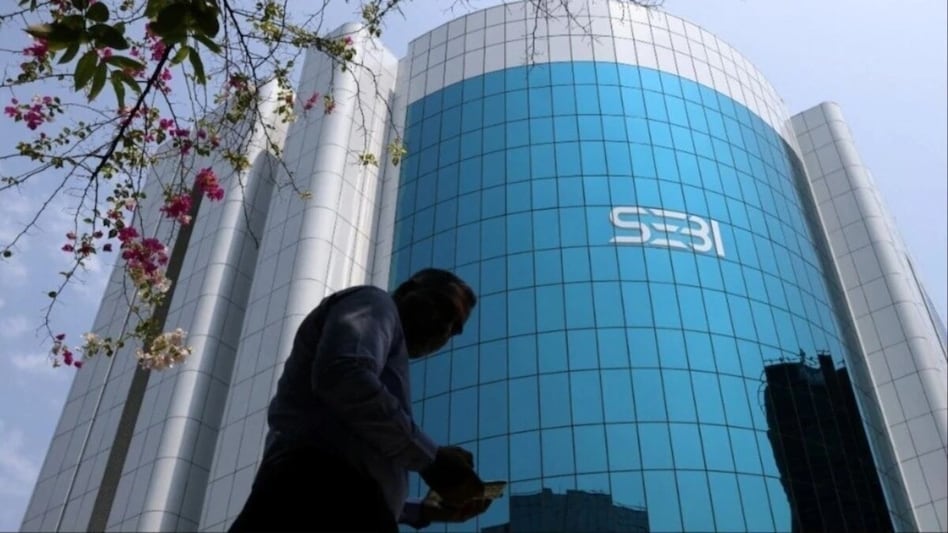
As artificial intelligence increasingly influences stock recommendations, investment decisions and risk assessments, market regulator SEBI is moving to establish safeguards to ensure that technology-driven financial services remain transparent and accountable.
SEBI Chairman Tuhin Kanta Pandey recently said the regulator would introduce detailed guidelines governing responsible AI use, focusing on disclosures, accountability and a 'human-in-the-loop' approach to critical decisions.

 Silver crashes from $121 to $44: How much would a $10,000 investment have lost?
 Bitcoin below $57,000: How 55% slump from record high stacks up against every major crypto winter since 2014
 'Look at India': Trump says US could hit 20% GDP growth if Fed cuts interest rates
 US-China chip war escalates: How new restrictions could reshape the global AI industry
 Vedanta's Anil Agarwal outlines 3-point growth plan after PM Modi flags industry job lag. What he said
 Pollution-Linked Health Claims Surge 4.3X In Three Years, Working Professionals Among Most Affected
 Persistent Cough, Breathlessness? Doctor Explains Symptoms You Must Never Ignore Amid Pollution
 Which 2 Sectors Could Lead The Next Market Rally? Expert Reveals Top Stock Picks For Investors
 Gold & Silver Crash: What Triggered The Massive Sell-Off?
 FIIs Set To Extend India Buying; Nifty Likely To Hit Record High By December, Says Amit Goel

 ITC: Highest monthly gain in over two years, strongly overbought on charts; fresh price targets and more
 GRSE, Coforge, Lloyd Metals, BDL, Tanfac, Sambhav Steel among top 20 stocks with upto 75% upsideBitcoin below $57,000: How 55% slump from record high stacks up against every major crypto winter since 2014
 Nifty's sharp comeback after market correction: What should investors do next as valuations turn attractive?
 SEBI proposes FPI rule relaxation after ₹5.61 lakh crore outflows: Will foreign investors return?ITC: Highest monthly gain in over two years, strongly overbought on charts; fresh price targets and more
 Islam to be world's largest religion by 2035, Christianity surges in Africa. Where does Hinduism stand?
 Free trade deals without industrial and business reforms widen deficits: Shashi TharoorUS-China chip war escalates: How new restrictions could reshape the global AI industry
 Should Wealth Managers in India Recommend AIFs?












