
Search
Advertisement
After ‘Black October’ comes ‘Blackout November’: A wave of global tech outages exposes the risks of growing digital dependency

After ‘Black October’ comes ‘Blackout November’: A wave of global tech outages exposes the risks of growing digital dependency

From workplace platforms and AI tools to air traffic control and digital banking, a series of disruptions has raised questions about the reliability of systems businesses and consumers increasingly depend on.

Vidhya Das
Vidhya Das
  • Noida,
  • Updated Nov 17, 2026 4:17 PM IST
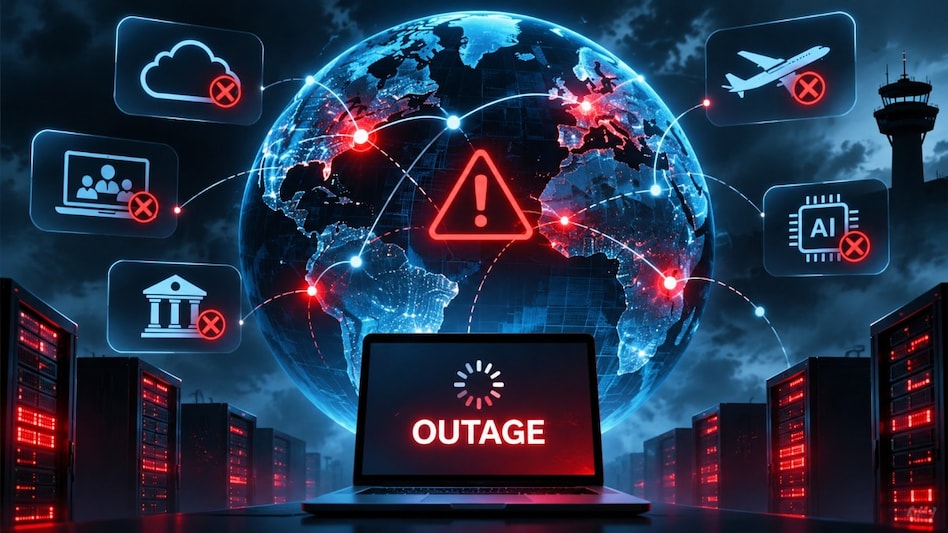
After ‘Black October’ comes ‘Blackout November’: A wave of global tech outages exposes the risks of growing digital dependencyNovember’s technology disruptions have raised concerns about the resilience of interconnected digital services. (Representative image)

The past few weeks have offered a reminder of how much of everyday life now depends on technology working without interruption. After a series of cybersecurity incidents in October, including the eMudhra certificate authority incident and the reported cryptocurrency theft involving Binance, November has brought fresh disruptions across global technology services. Microsoft 365 users struggled to access workplace tools, Anthropic's Claude faced login and service errors, US flights were grounded following an air traffic control disruption, and customers encountered delays in banking transactions.

Advertisement

These incidents had different technical causes, but their timing has raised an important question about businesses, financial institutions, and public services that increasingly become dependent on interconnected digital systems, in such circumstances, how vulnerable could they become when one part of that infrastructure fails?

MUST READ | Instagram faces fresh India scrutiny as Meta steps up action against explicit content

From workplace tools to banking, a series of disruptions

One of the most significant incidents came on November 12, when Microsoft 365 services, including Outlook, Teams and Copilot, experienced a widespread disruption that continued into the following day. Microsoft's preliminary investigation identified a software defect introduced months earlier, increased traffic following a Teams failover and reduced server capacity as contributing factors. The outage affected businesses and government organisations across several countries, with users struggling to access emails and other workplace services. Microsoft said it had restored services and was working on safeguards to prevent similar failures.

Advertisement

The disruption also affected third-party services. Anthropic's Claude and OpenAI experienced problems with their Microsoft 365 connectors, highlighting how an issue at one technology provider can affect features offered by other platforms. Claude separately faced authentication and service errors on November 13, with Anthropic deploying a fix and monitoring the recovery.

DON'T MISS | Microsoft warns of global phishing attack using fake 365 outage alerts to steal user credentials

On November 13, the US Federal Aviation Administration (FAA) ordered a nationwide ground stop for departing flights following a telecommunications disruption affecting air traffic control operations. The agency identified instability involving legacy equipment and a router replacement at a remote facility. It said the system stabilised, and flights resumed at around 8:15 pm ET, while it continued reviewing the incident.

Advertisement

According to a Reuters report, on November 16, another technical problem affected digital banking. A software bug in an on-premises hardware system at JPMorgan Chase disrupted online banking access and transactions. Customers also reported delays involving other financial institutions and Zelle. Chase said the issue was not a cyberattack, while Zelle's operator maintained that its network remained operational. Chase later said transactions were posting normally.

United Airlines also reported a separate technology disruption affecting some departing flights on November 16. The issue affected internal applications used by pilots, including crew communications and systems providing aircraft weight information. The airline said the disruption had been resolved and that flights already in progress were unaffected.

The growing risk of interconnected technology

What connects these developments is not a shared technical cause, but the growing dependence on systems that interact with one another. Businesses rely on cloud platforms for emails, meetings and documents, while AI tools increasingly connect with workplace applications to retrieve information and perform tasks. If an underlying provider experiences a disruption, services that depend on it can also become unavailable, even when their own systems are functioning.

Digital payments present a similar challenge. A bank's technical problem can delay transactions involving customers of other institutions, showing how dependent financial services are on networks working together.

Advertisement

DO CHECKOUT | Zoom, HSBC, CNN and IKEA websites turned into traps for crypto holders and iPhone users: Report

The FAA incident raises another concern about whether older infrastructure can keep pace with modern operational demands. Upgrading critical systems, testing backup arrangements and ensuring that traffic can be handled when a component fails are essential to preventing local problems from escalating into wider disruptions.

For businesses, the consequences can extend beyond temporary inconvenience. Employees may lose access to communication tools, customers may face delayed payments, and organisations may struggle to carry out routine operations. November's disruptions underline why technology reliability must be treated as an operational priority, not simply an IT concern.

These incidents do not establish that global digital infrastructure is collapsing. But they do show how much depends on its ability to withstand failure and how quickly a problem in one part of the system can affect people and businesses elsewhere.

For Unparalleled coverage of India's Businesses and Economy – Subscribe to Business Today Magazine

ABOUT THE AUTHOR

Vidhya Das
Vidhya Das

Vidhya Das is a journalist who writes about technology, AI, startups and the digital world. With a background in Journalism and Mass Communication, she enjoys breaking down complex topics into simple, engaging stories. She is curious about how technology is changing everyday life and loves finding stories that matter.

Published on: Nov 17, 2026 4:17 PM IST



