


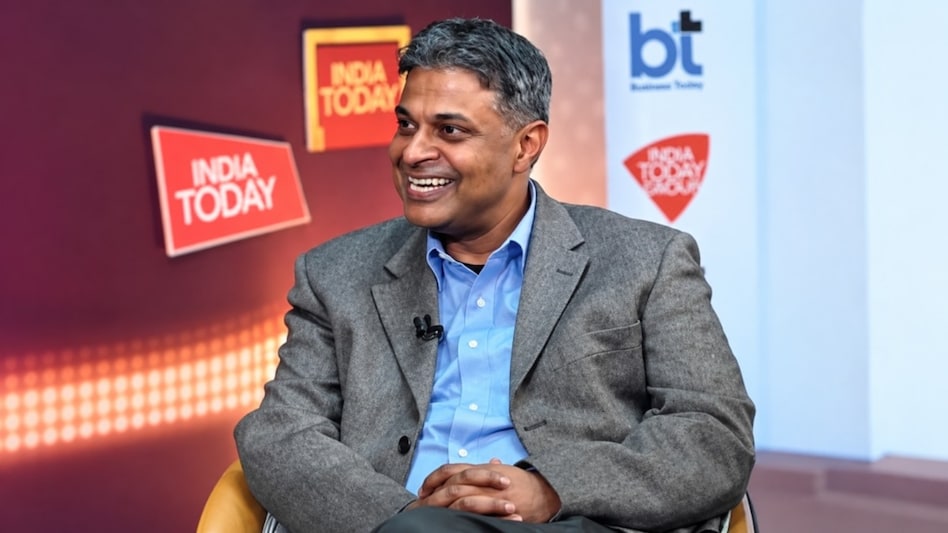
 Sarvam co-founder Vivek Raghavan
India’s growing appetite for artificial intelligence (AI) may not translate into technological leadership, Sarvam co-founder Vivek Raghavan cautioned, arguing that the country must move beyond consuming AI services to building and owning the technology.
Speaking in a keynote address at the Bengaluru Tech Summit 2026, Raghavan said India’s position as one of the world’s largest users of AI tools such as ChatGPT should not, by itself, be seen as a measure of success. “We are exporting our data and importing intelligence,” he said, warning that India could risk becoming a “digital colony” if it failed to develop capabilities across the AI value chain.

 Will airfares rise from January? India’s 1% SAF mandate could push up ticket costs
 PNB, Union Bank, BoB, SBI, ICICI shares soar up to 30% in a month; why banking stocks are rising
 Nvidia's $2.4 billion China chip business hits pause; interim CEO confirms shipment halt
 Air India Express gets new CEO: Meet Deepak Rajawat, the man who helped build Vistara
 Sebi considering proposals on MTF, says chairman
 Samvat 2083: Which Asset Classes Will Create Wealth This Year?
 Trump In China: Why Is This Visit So Important For The US, China And The World?
 Nifty To Hit A New Record High This Financial Year? Siddhartha Khemka Explains Market Outlook
 Quad Summit In Manila: Modi, Trump & China Challenge | New Maritime, AI & Trade Push
 Stock Market: Nifty, Sensex Outlook & Top Stocks To Watch | Siddhartha Khemka

 SpiceJet board approves Rs 5,500 crore fundraise; stock closes 5% higher
 Waaree Energies, Premier Energies, Emmvee shares: Target prices, top pick
 Mahanadi Coalfields IPO: CMD calls issue 'zero-risk'; should you subscribe to this dividend play?PNB, Union Bank, BoB, SBI, ICICI shares soar up to 30% in a month; why banking stocks are rising
 NALCO, Hindustan Zinc, Hindustan Copper, Jindal Steel: Why metal stocks are falling today
 Where heritage, craftsmanship and rarity come togetherSamvat 2083: Which Asset Classes Will Create Wealth This Year?Trump In China: Why Is This Visit So Important For The US, China And The World?SpiceJet board approves Rs 5,500 crore fundraise; stock closes 5% higher
 Relief for Chanda Kochhar: Bombay HC sets aside ICICI Bank’s sanction to ex-CEO in loan fraud case












