









 Polar Loop

 Polar Loop
The fitness tracking market is no longer dominated by smartwatches with massive displays, luxurious designs, and other cool-looking features. Over the last few years, slim, minimalist fitness bands have emerged as a new alternative for users who prefer a clutter-free experience on their wrists.
The Polar Loop, priced at Rs 19,999, is one of the newest competitors in this space, and it looks quite strong at first impression. But in a market where a smartwatch can track your heart rate, map your run, remind you to breathe, and provide personalised suggestions, the question worth asking is whether a minimalist band with activity-tracking features can still justify its price tag.
We have been testing the Polar Loop for more than 15 days to understand how it functions and what difference it makes to fitness tracking in comparison to a smartwatch.
Aesthetically minimal design
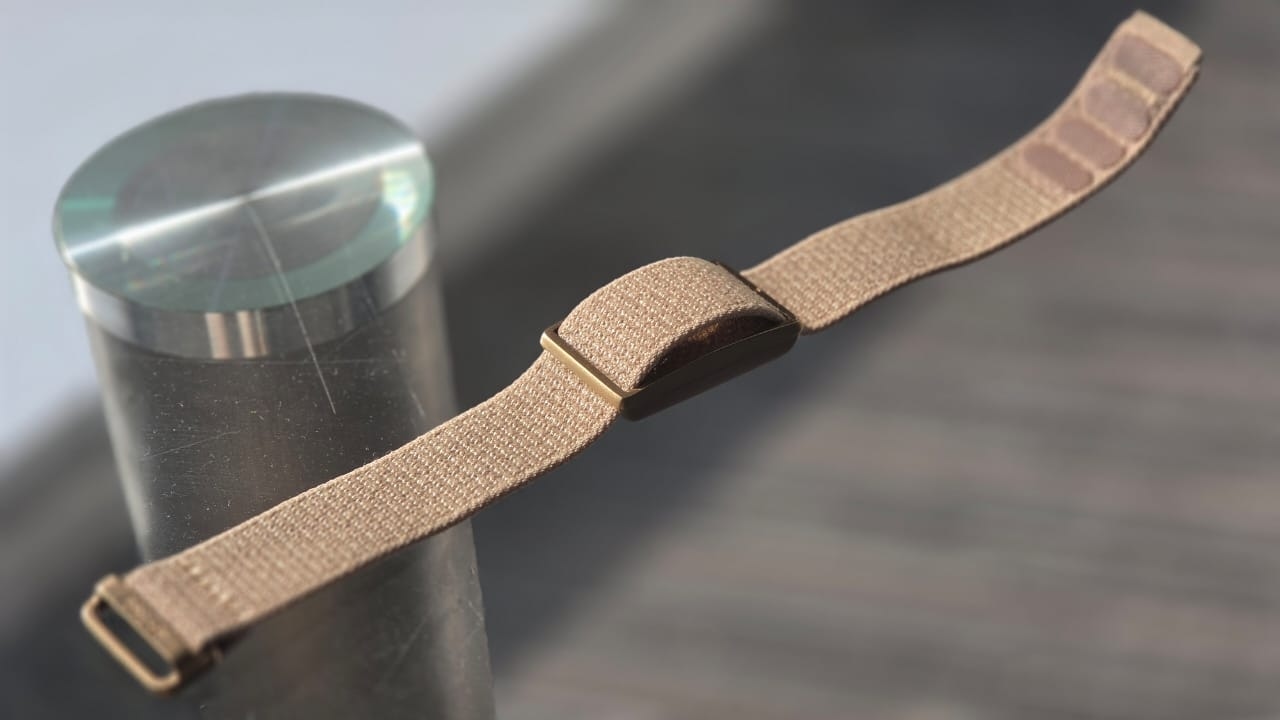
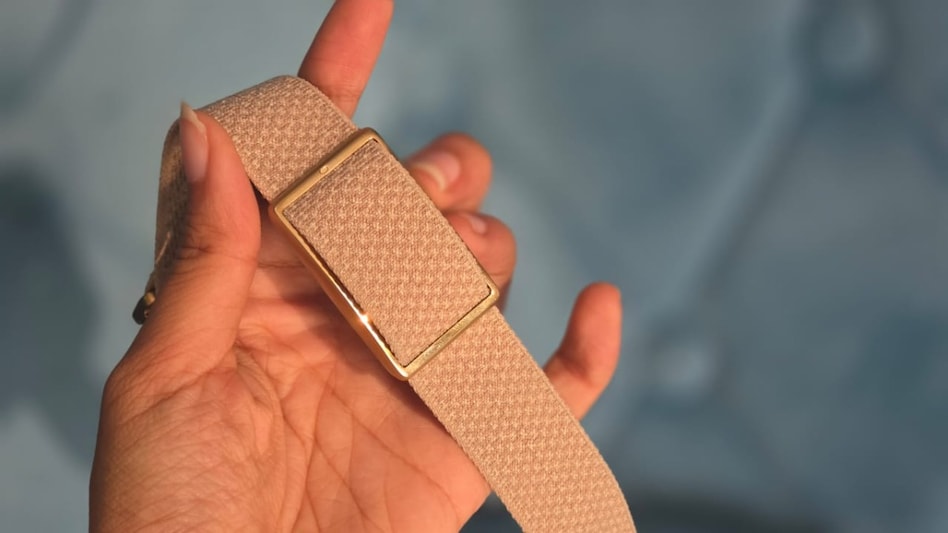
The Polar Loop launches as an affordable alternative to the hyped Whoop band. From a design standpoint, Loop looks quite similar in design to a band made by Whoop, with no screens, a rectangular sensor unit, and a strap that wraps cleanly around the wrist.
Despite the similarities, the Polar Loop holds its own uniqueness that may grab attention. The soft fabric strap feels comfortable against the skin, and the sleek sensor unit sits without drawing attention. Together, they weigh just 29 grams, which is quite impressive.
The Loop uses a velcro-style fastener, making it easy to adjust the fit without the hassle of adjusting buckles or clasps. In simpler terms, the band does not feel like you’re wearing anything at all, especially when you’re sleeping, putting it on, since wearing smartwatches at night can be uncomfortable for many.
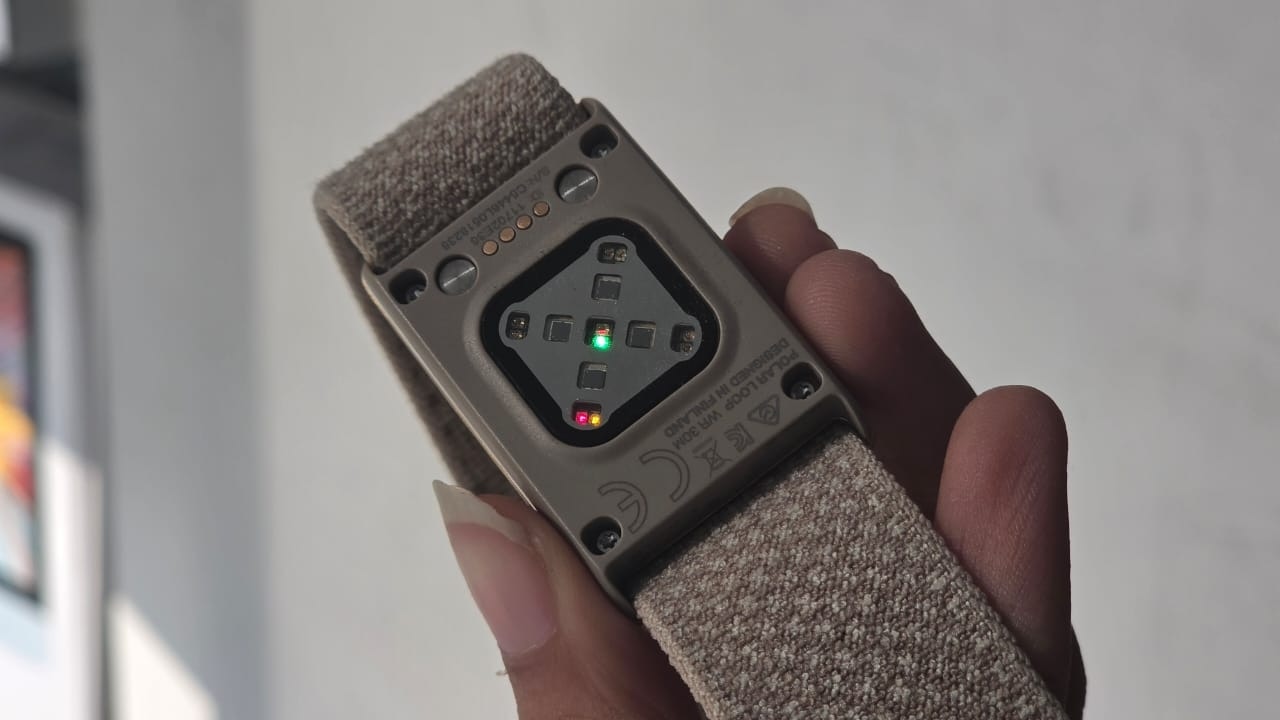
On the back of the sensor user, you can see the LEDs blinking of the sensors at all times, and a magnetic charger unit as well. Overall, the Polar Loop has quite a minimal yet pleasing aesthetic design for everyday wear and tear.
Features and performance
Since the Polar Loop does not have a screen to keep track of fitness metrics, it offers the Polar app support, where users can track their activity data, including steps, calories burned, sleep patterns, and heart rate metrics. In addition, the fitness band has automatic tracking for training like running, tracking, or others. Hence, you do not need to manually start a session every time.
Furthermore, Polar Loop also tracks sleep, providing greater insights into light, deep, REM, or interrupted sleep. Overnight, it tracks heart rate, HRV, and breathing data, based on which it provides a sleep score. All this data will be available to watch on the app. While the features look impressive, the tracking can be inconsistent at times.
Well, when it comes to steps and calories burnt, it showcases more or less the same data as what my iPhone tracked. I also tested the heart rate with a smartwatch I had available with me, and again, it showcased similar numbers. However, the Loop gets sleep tracking off to a rocky start.
The Loop's sleep tracking showed some inconsistencies, which is worth noting. The band begins logging sleep as soon as you lie down. So, it struggles to distinguish between actually being asleep and simply being still, such as using a phone or reading in bed. In a few instances, the band also registered deep sleep during periods of wakefulness, which raises questions over its accuracy.
As far as the sleep score is concerned, I managed to keep it better than 6 to 8 out of 10, which I think is not quite bad.
Polar App: Capable, but not intuitive
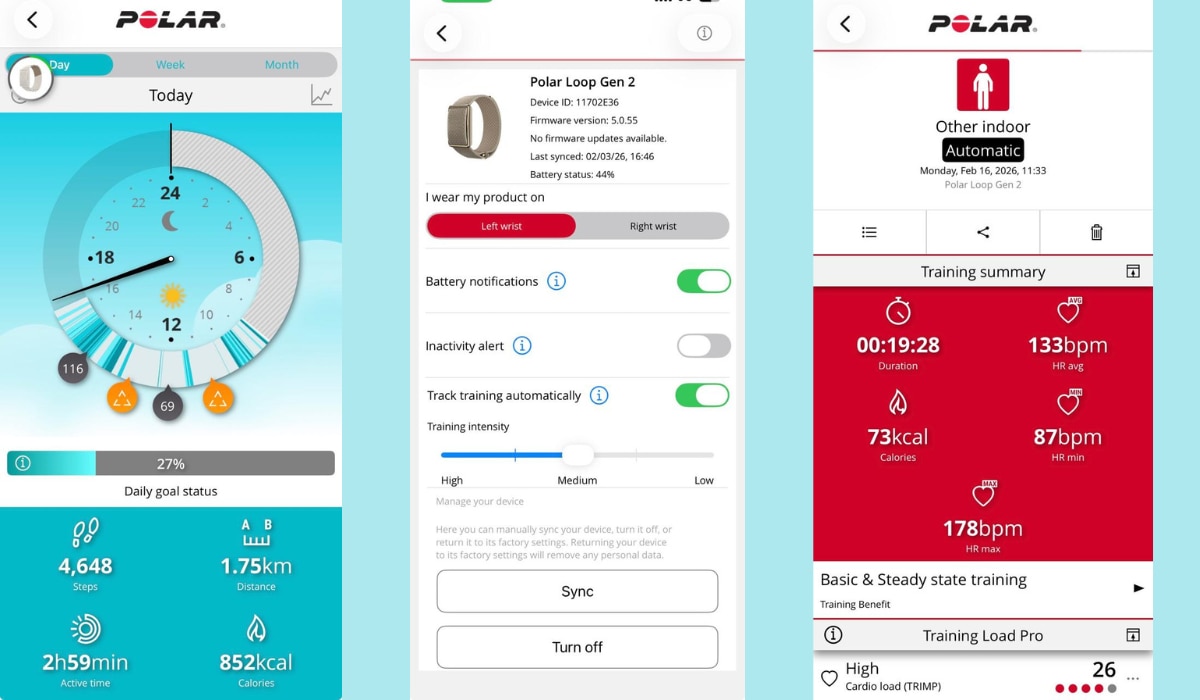
The Polar app does a decent job of providing all the data, including activity, sleep, and heart rate information in one place, as we mentioned above. However, user experience does not always match the quality of the hardware it supports.
The first pain point you will notice is that the app takes about a minute to sync the data from the band. Therefore, you will have to watch to get all the latest data collected. In addition, the app's navigation can feel more complicated as you may have to get through a couple of clicks to get the day-to-day data, which can be frustrating at times.
Battery life
The Polar Loop is backed by a 170mAh battery, which claims 8 days of battery life. However, in real-time, the band lasts 6 days on a single charge with constant usage. Once the battery is low, the support app will alert via notification when the band reaches below 20%. In terms of charging time, the Loop takes about 1 hour and 45 minutes to fully charge, making it a relatively quick charge for a band in this category.
Polar Loop: Verdict
The Polar Loop gets the aesthetics right and the basics mostly right. Its lightweight design, comfortable fit, and distraction-free experience are refreshing in a market with feature-heavy smartwatches. Therefore, users who want to transition from cluttered smartwatches and want something light and minimal, it delivers.
Although inconsistent sleep tracking, a slow-syncing app, and a navigation experience are hard to overlook at Rs 19,999. Hence, the Loop sits in a competitive price bracket, as buyers may expect more consistency across the board.
For Unparalleled coverage of India's Businesses and Economy – Subscribe to Business Today Magazine
 Delhi EV policy 2026: Should you buy these premium electric SUVs & MPVs under ₹30 lakh?
 Big news for commercial petrol, diesel buyers: India lifts emergency curbs on retail sales from July 1
  'Never seen so many tankers': India's Russian crude imports may hit record high in June
 Delhi EV Policy 2026 Explained: What's changing for car, bike and auto buyers
 Why Jio BlackRock feels hybrid long-short is the perfect fund to launch now as it enters the SIF space
 Why Jio BlackRock AMC Is Launching Hybrid Long-Short As It's First SIF
 Delhi Unveils ₹15,000 Crore EV Policy: What It Means For Auto Companies And Consumers
 Gold, Silver Or Crude? Where Should Investors Bet Now? | Vandana Bharti
 How India Strategically Managed LPG & Crude Oil Supplies During West Asia War | K. Surana Explains
 Delhi’s Green Revolution: CM Rekha Gupta Unveils Massive ₹15,000 Crore EV Policy To Combat Pollution
 Why Jio BlackRock feels hybrid long-short is the perfect fund to launch now as it enters the SIF space
 Where should investors put their money? PL Wealth CEO has some tips
  Axis Bank CFO Puneet Sharma steps down; stock likely in focus on Tuesday
 Apollo Hospitals, Medanta, Healthcare Global, Max Healthcare, Artemis Medicare: Check target prices, outlook
 Polycab: Amid record FII buying, shares at all-time high but brokerages expect more upside