


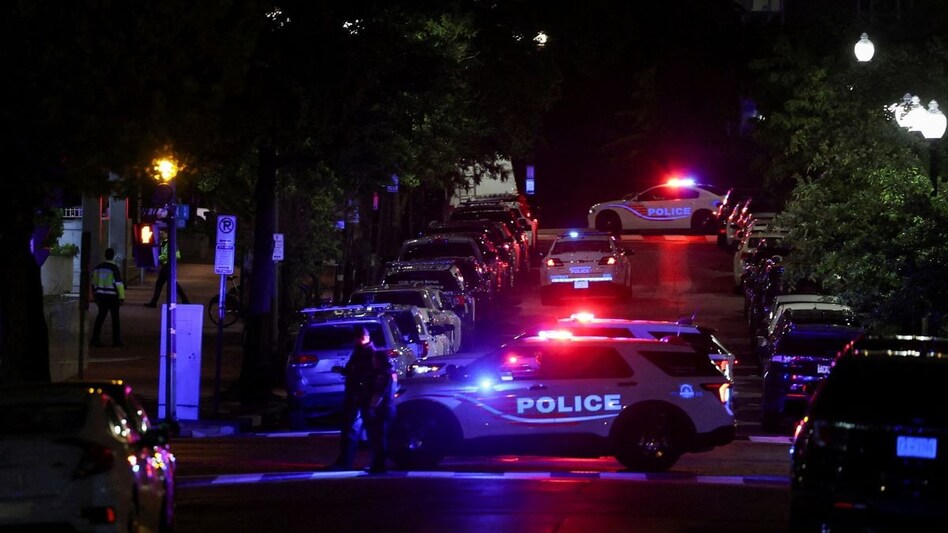
 LAPD was stepping up patrols at “places of worship, community gathering spaces and other sensitive sites.”
New York, Washington, and Los Angeles are boosting security at religious and cultural sites after U.S. airstrikes on Iranian nuclear facilities, heightening fears of retaliatory attacks on American soil.
Local and federal authorities sprang into action Saturday night after U.S. warplanes, under President Donald Trump's directive, struck three fortified nuclear sites in Iran, including the underground Fordo complex. The move came after Israeli forces pounded Iran’s missile launchers and nuclear infrastructure earlier that day.

 Jimmy Tata breaks silence, backs N Chandrasekaran and Tata Sons listing against Noel Tata: Report
 BT BIG STORY: AI helps, but concierge is still a very human business
 Jensen Huang eyes Nvidia comeback as Silicon Valley allies launch 'war room': Report
 YES Bank shares in focus as lender files review petition in SC over Rs 8,415 cr AT-1 bonds
 BEL share price: Defence PSU stock in focus on Rs 619 crore order win; key details
 PM Modi Highlights 5 Agricultural Revolutions Transforming India's Farming Sector
 FDs Vs Equity: Should Women Rethink Their Investment Strategy To Achieve Long-Term Financial Goals?
 Gold Jewellery vs Gold ETFs: Which Is Better for Investment? Mrin Agarwal Explains
 PM Modi Criticises Past Governments Over Farmers’ Welfare At Agriculture Conclave
 SIP Strategy: Should You Continue, Increase Investments Or Rebalance Your Mutual Fund Portfolio?

 TMPV shares drop 8%; targets post Q2 loss, JLR guidance cut; Citi, UBS say 'Sell' stock
 Kaynes Technology shares hit lower circuit: What CLSA, JPMorgan say
 Karnataka Bank shares in focus as Biji Sankaranarayanan takes charge as interim MD & CEO
 Hindalco shares in focus as Novelis to sell China subsidiaries for $265 million
 Jio shares in focus on reports of talks with ISRO, Skyroot to launch satellites for internet servicesTMPV shares drop 8%; targets post Q2 loss, JLR guidance cut; Citi, UBS say 'Sell' stockKaynes Technology shares hit lower circuit: What CLSA, JPMorgan say
 ₹70 lakh home without a home loan? Woman shares her 3-year saving plan that made it happen
 Nvidia chip row effect? US, Japan, UK, allies want to protect AI supply chain from ChinaKarnataka Bank shares in focus as Biji Sankaranarayanan takes charge as interim MD & CEO












