

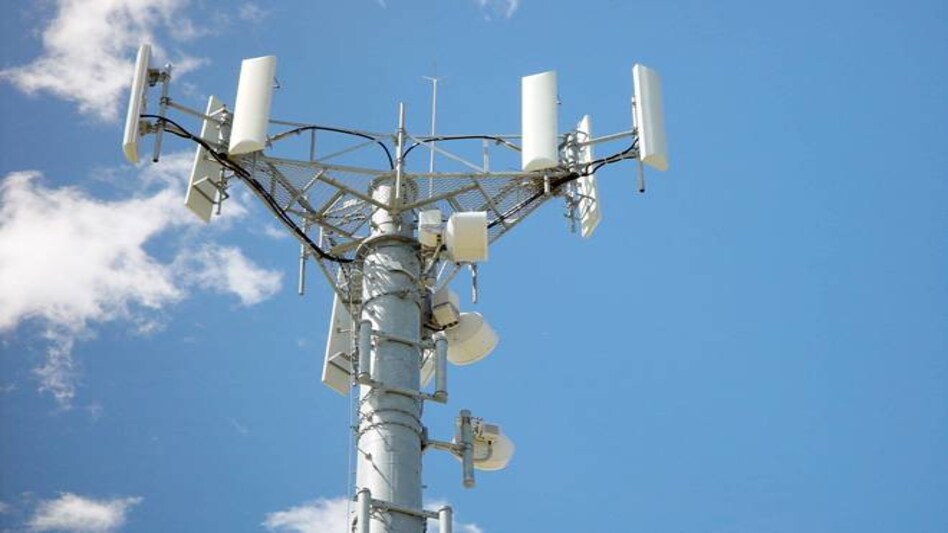
 All licensed private access service providers are prepared to bid and buy spectrum in these bands through an open and transparent bidding process, generating revenues for the government, the industry contended
Telcos, under the aegis of COAI, have jointly pitched for spectrum allocation in E and V bands only through an auction and urged the regulator to expedite the process of fixing floor tariffs for data at a recent meeting with the new Trai chief, industry sources have said. Other issues highlighted by the top industry representatives at the meeting include a reduction in levies and review of the regulatory stance on over-the-top (OTT) communication services.
These issues were flagged by the industry at a meeting with the new Trai Chairman last week, sources told . It is pertinent to mention that P D Vaghela took over as the new Chairman of Trai from October 1. The sources said the industry maintained that spectrum in highly commercial and valuable E and V bands should not be delicensed.
 ISRO places EOS-05 into orbit: Why India’s first geo-orbit imaging satellite matters
 Estonia defense minister resigns over €70 million failed Ukraine deal with India-linked firm
  Janmashtami 2026: Banks closed today in several states, Check convenient alternatives
 Janmashtami travel alert: Delhi gets special trains to Mathura, Ringas and Varanasi
 Hombale Films takes 'Hanuman Ansh' global: Check worldwide release date after ₹61 crore success
 GDP Deflator Debate: Input Costs Surge, But Factory Prices Stay Flat | What It Means For GDP
 Maruti Suzuki Sees Strong Demand Ahead; ‘No Reason Why We Should Not Sustain Volumes’: Partho Banerjee
 Ultravolt: Birla’s New Wires & Cables Bet | Kumar Mangalam Birla Explains The Opportunity
 Why Did India’s GDP Fall From ₹86L Cr To ₹80L Cr? | MoSPI Secy Dr. Saurabh Garg Explains
 India Back To ‘A’ Rating After 38 Years: N K Singh Explains The Big Economic Shift
 Tata Power, JK Paper, Tinna Rubber: Top stocks to trade — Key levels, target prices & stop loss
 Top stocks in news: UltraTech, ESDS, Gland Pharma, RVNL, Priority, IEX, Power Grid, Cipla, WeWork
 Coal India, Finolex Cables, Gulf Oil, Federal-Mogul Goetze among stocks to turn ex-dividend tomorrow, details here
 Fintech smallcase launches US stock, ETF portfolios for Indian investors
 Sensex plunges over 2,100 points in 3 minutes; what happened in final 5 minutes?
 'Toxic' box office collection day 9: Yash's film sees further decline, gets beaten by 'Hanuman Ansh'Tata Power, JK Paper, Tinna Rubber: Top stocks to trade — Key levels, target prices & stop lossGDP Deflator Debate: Input Costs Surge, But Factory Prices Stay Flat | What It Means For GDPTop stocks in news: UltraTech, ESDS, Gland Pharma, RVNL, Priority, IEX, Power Grid, Cipla, WeWorkEstonia defense minister resigns over €70 million failed Ukraine deal with India-linked firm












