


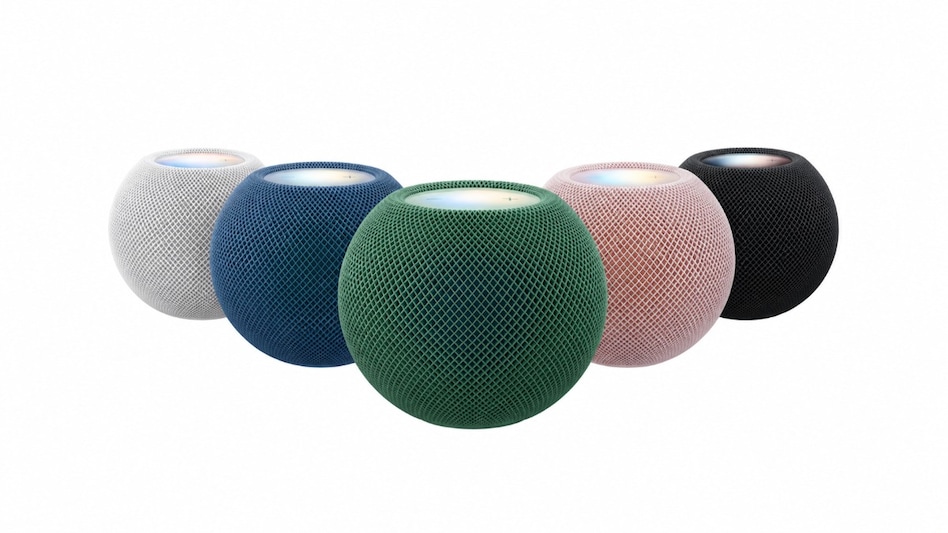
 pple HomePod mini 2 brings 360-degree audio, Siri AI and smart home controls. (Photo: Apple)
If you already own a Google Nest Mini, Apple’s latest smart speaker may look like an attractive alternative, particularly if you use an iPhone or other Apple devices. The HomePod mini 2 brings improved audio features, smart home controls and support for a more capable version of Siri, while Google’s compact speaker continues to offer hands-free access to Google Assistant, music playback and connected-device controls.
But moving to Apple’s speaker is not just about getting a newer device. The two speakers are built around different ecosystems, and some of the HomePod mini 2’s key features haven't arrived yet. So, should you replace your Nest Mini, or is your existing speaker still good enough?

 Bulk Scotch whisky imports: Tariff classification and not revenue considerations at heart of the logjam
 'Nothing but a change of mind': Venu Srinivasan's lead counsel counters Lakshmi's claim in TVS dispute
 'CEO pay hiked massively, starting salaries barely beat inflation': Mohandas Pai hits out at India Inc
 India steps up maritime security for seafarers amid vessel attacks; 9 ships under monitoring near Hormuz
 India to power over 90% of South Asia's export growth: Can it become the region's manufacturing hub?
 Rupee At 7-Month High: Can FPI, FDI Inflows Push It Towards ₹91? | Dollar Outlook
 Eigen AI Can Improve Efficiency Of Complex Industrial Tasks By About 50% : Siemens CEO
 TVS Family Dispute: Venu Srinivasan’s Side, Explained by Abhishek Manu Singhvi
 Why Are Tata's Top Leaders Stepping In As Air India Struggles With Losses And A Long Turnaround Now?
 GE Sends 15th F404 Engine To India: Can HAL Deliver Tejas Mark-1A By March 2027?

 FIIs pump over ₹1 lakh crore into Indian equities in November as Nifty crosses 25,500
 Anthropic's $1.5 trillion valuation surpasses combined m-cap of India's top 10 companies
 Aurionpro Solutions wins Rs 100-crore order for AI-ready data centre in Southern India, check stock reaction
 Poonawalla Fincorp to issue non-convertible debentures worth up to Rs 500 crore
 Punjab National Bank shares close 4% higher as Moody's affirms Baa3 ratings
 BT BIG STORY: The premium shift in India’s changing luxury market
 ₹49,999 TVS to 242 km Ola! 5 electric scooters with one important price catchRupee At 7-Month High: Can FPI, FDI Inflows Push It Towards ₹91? | Dollar Outlook
 Apple App Store Awards 2026: All 45 shortlisted apps and games across 13 categories
 EPFO's new SWP: How much monthly income can you get from ₹25 lakh, ₹50 lakh or ₹1 crore?












